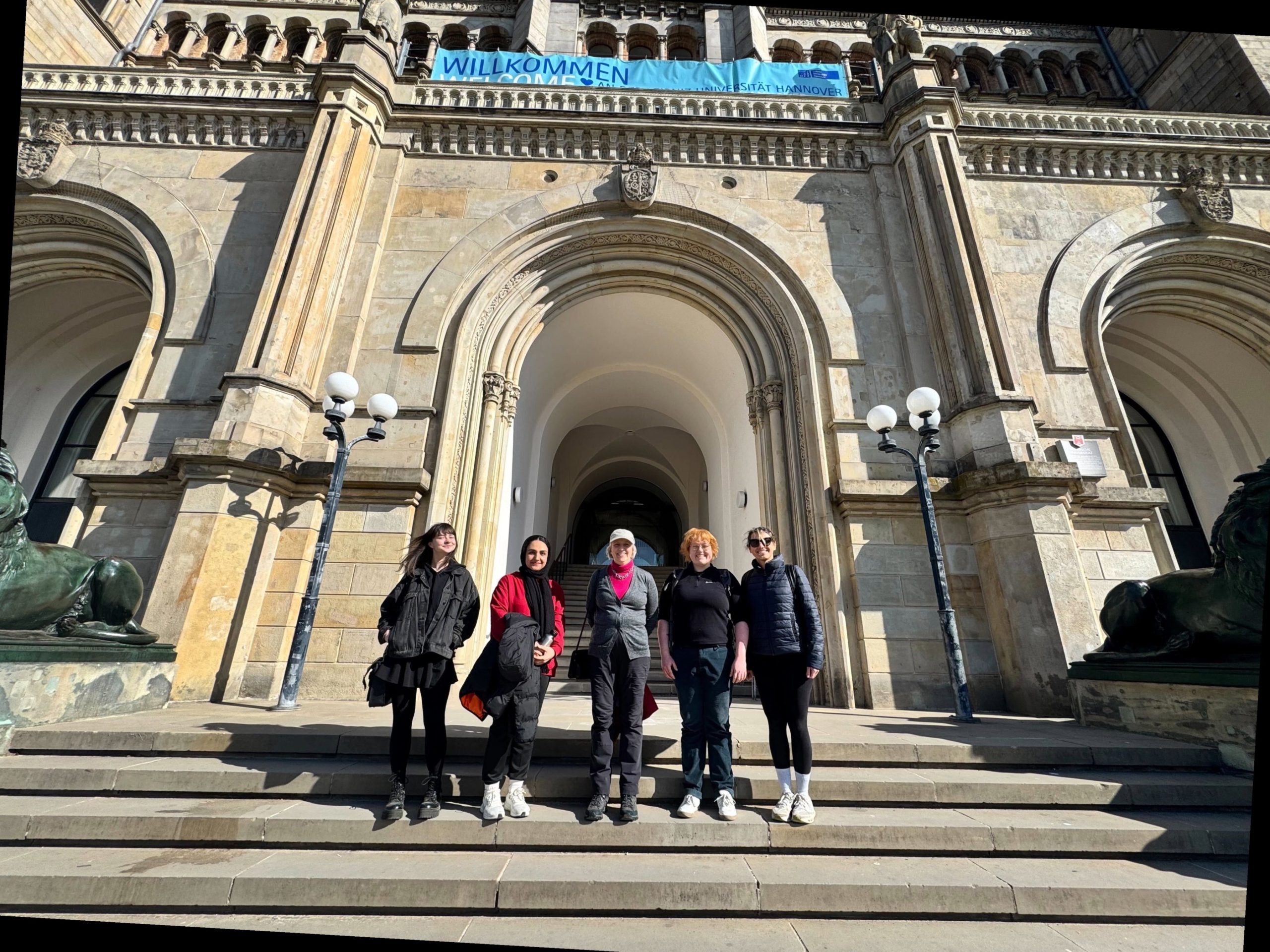
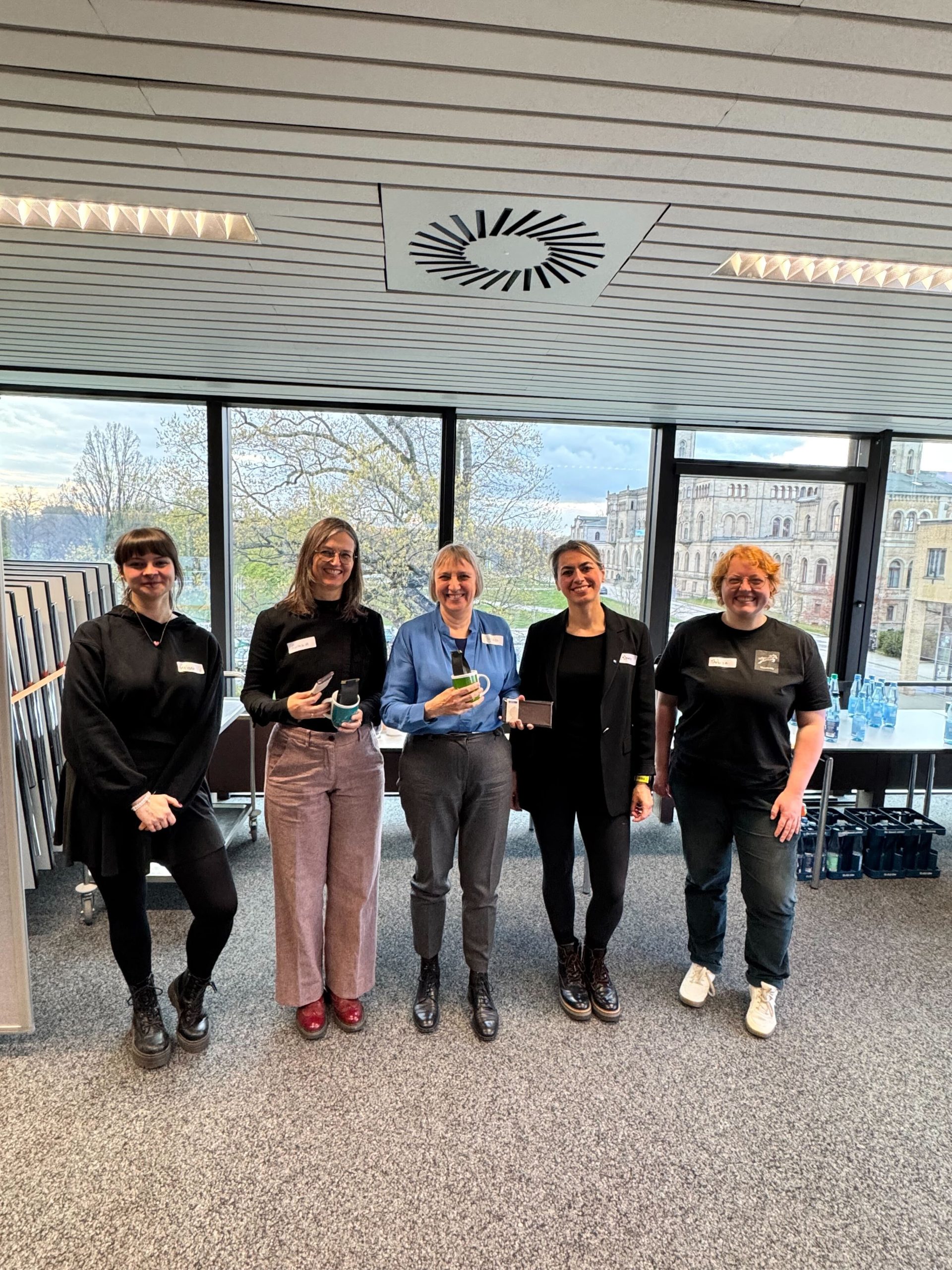
On April 10, 2026, the Diversity working group at FEI held its Rise-Lab kickoff event at the Presentation Room of the TIB Library, Welfengarten 1B, Hannover. The event brought together around 30 faculty members, postdoctoral researchers, PhD candidates, and students for an afternoon dedicated to academic careers, diversity, belonging, and the often-unspoken challenges of research life.
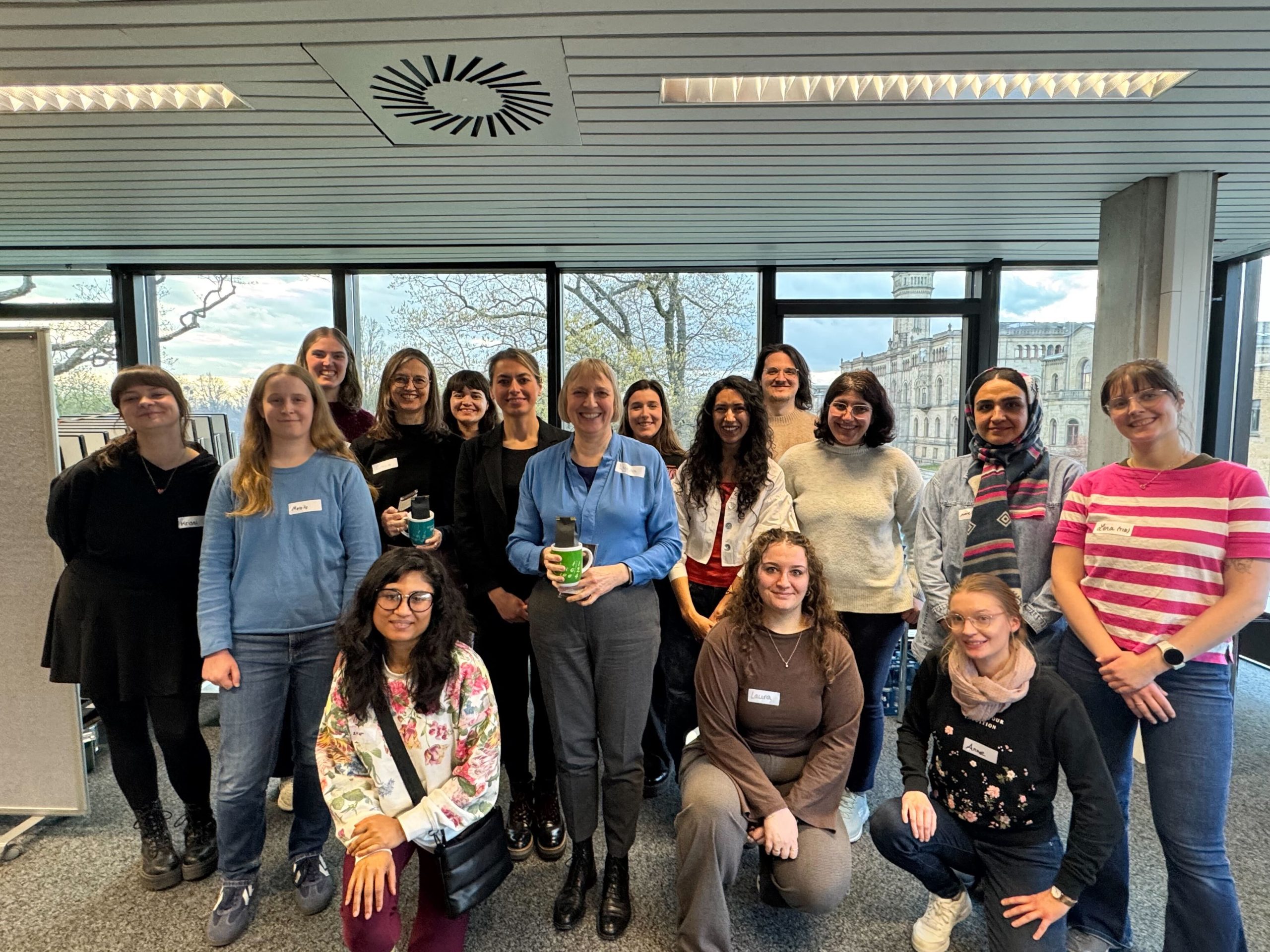
The event was moderated by Prof. Dr. Sahar Vahdati, who, together with the team, is committed to strengthening support structures within the faculty, especially for women in science and for anyone facing challenges beyond their scientific work. The goal wasn’t only to hear inspiring career stories, but to create a safe and trusting environment in which participants could speak openly about their concerns, uncertainties, and hopes for the future.
The event featured two invited senior researchers: Prof. Dr. Sunna Torge, Professor for Applied Mathematics and Data Science at HTW Berlin, and Prof. Dr. Lynda Hardman, Principal Researcher and Strategist at CWI and Professor at Utrecht University.
Prof. Dr. Sunna Torge reflected on her research career under the guiding question of what had helped along the way. Her talk addressed themes such as dreams and passion, flexibility, topic selection, strategy, people, roles, decisions, and the importance of taking care of oneself. She also spoke about the value of role models, networks, and belonging to a group, noting that these are often missing but deeply important elements of a sustainable research career. Her presentation also moved into scientific content, including natural language processing, attention mechanisms, tokenization, and few-shot learning.
Prof. Dr. Lynda Hardman shared reflections from a career spanning four decades in computer science. Framed around the question “To push or not to push?”, her talk offered practical advice on recognizing when one is being pulled into opportunities, when one needs to push forward, and how communication, networking, and visibility shape academic careers. She emphasized that careers are not shaped only by expertise, but also by relationships, timing, confidence, and the ability to understand how others perceive one’s contributions. Her tips included being aware of how one communicates, asking questions, learning from others, being memorable, and reflecting on what each interaction can bring.
After each talk, the event moved into an open discussion. Rather than a formal Q&A, the conversations became a round-table exchange, warm, reflective, and honest, in which participants could raise personal questions and hear directly from the speakers’ own experiences. Many topics emerged: feeling alone as the only woman in a room or research group, the difficulty of finding role models, and how non-scientific and organizational work so often falls disproportionately to female group members. Career uncertainty came up often too — whether to pursue a PhD, how to choose between academia and industry, and how to build a career while balancing family and relationships.
The kickoff made clear that many researchers carry similar questions, even when they experience them privately:
How can I speak openly about what isn’t working in my group?
How can I build a network if it doesn’t come naturally to me?
How can I connect with senior female professors and become a role model myself?
How can I continue in research without sacrificing my private life or well-being?
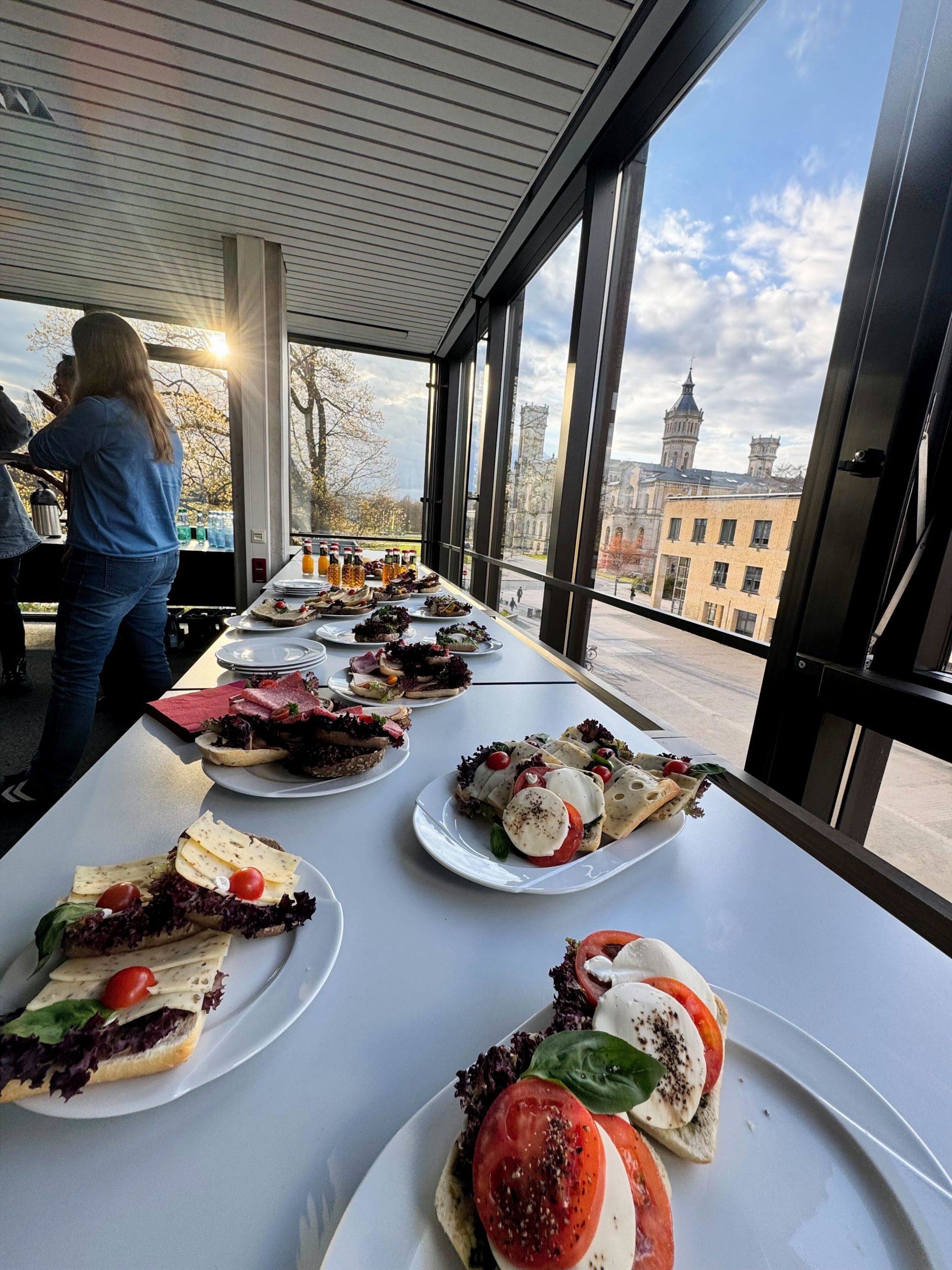
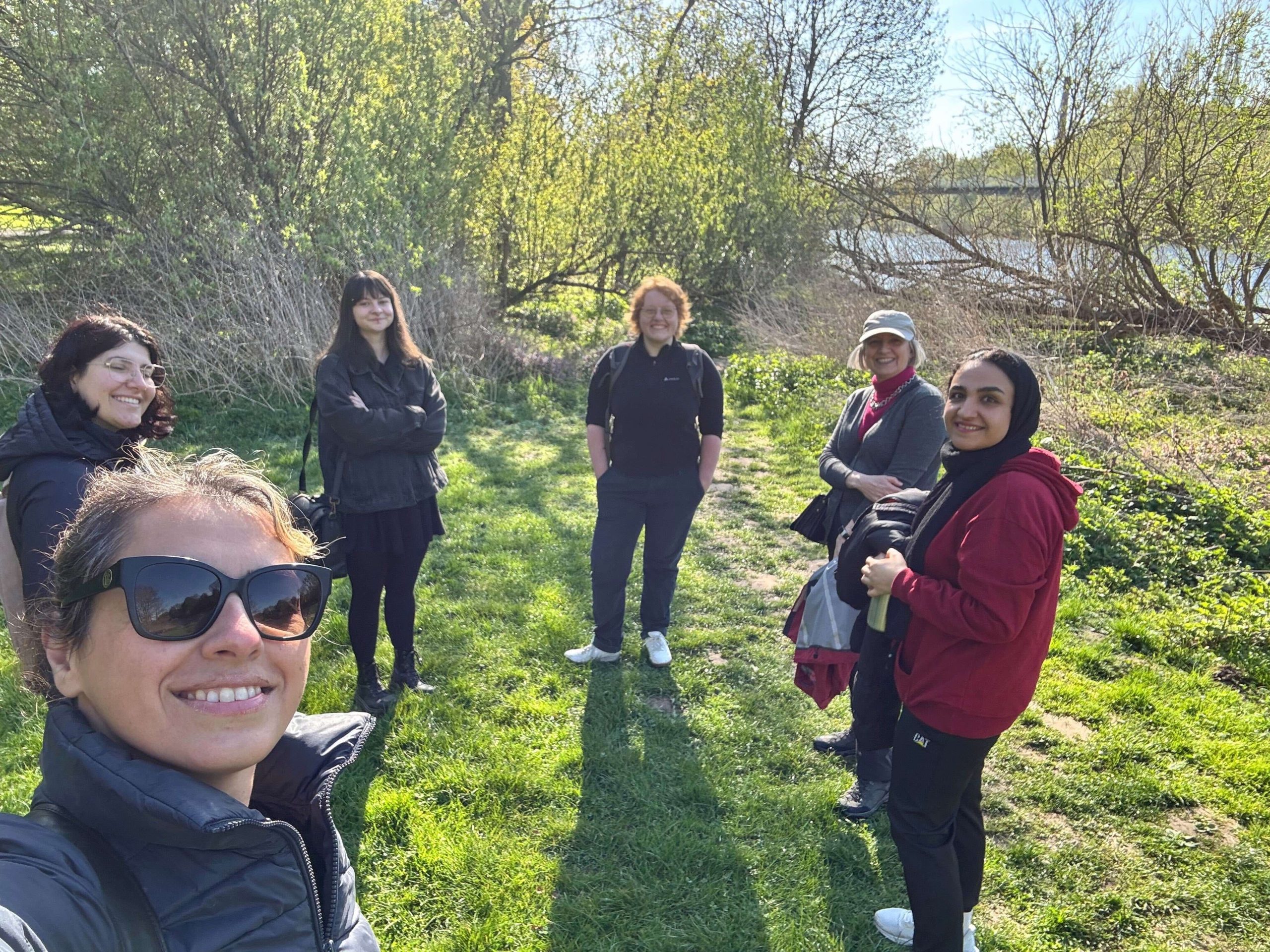
The emotional depth of the discussion showed how necessary such spaces are. Some participants described the event as empowering; others were visibly moved. The evening continued with a reception, where conversations carried on more informally, and the following day with a joint hike through the landscape around Hannover, in a relaxed setting to keep reflecting on career paths, belonging, and the kind of academic environment we want to build together.
The Rise-Lab kickoff was more than an opening event. It was a first step toward building a more connected, inclusive, and supportive research culture within the faculty, one where people don’t only succeed scientifically, but feel supported, connected, and seen.